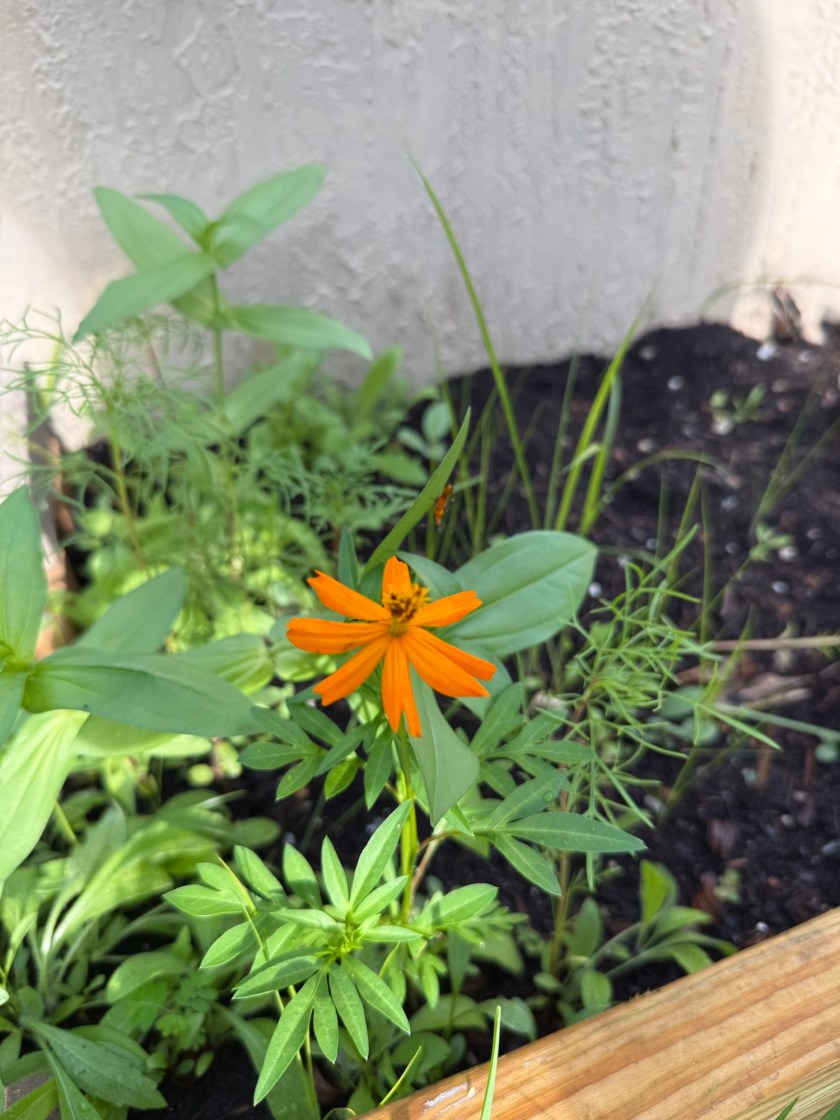
Living in the South Florida megapolis, homesteading requires considerable creativity. Unless you have millions of dollars to spend on a plot of land, you’re likely like me and working with a small amount of space. Fortunately, even in small spaces, there are steps you can take to move toward self-sufficiency and sustainability.
We live on just under a quarter of an acre. Although I’d love to raise some livestock (and not live quite so close to my neighbors), I am grateful for the small yard we do have, which lets us to expand our homesteading journey.
How I’m Prioritizing Self-Sufficiency and Sustainability on Under a Quarter of an Acre
Here are a few ways my family is practicing suburban homesteading on a small lot in South Florida.
1. Growing Food
One of the most basic ways we’re practicing homesteading in our suburban home is by growing our own food.
We just moved into our new house in May, and since we live in growing zone 10B, we will probably plant our first garden in late October or early November. Currently, we’re preparing about 100 square feet of land to build some raised beds. So far, this has looked like putting cardboard down, then covering it with cow manure, wood chips, and grass clippings. We also have about 35 gallons’ worth of compost bins in progress to add to this mix. The plan is to plant a variety of vegetables when the time comes.
We have a few pineapple plants that came with the house, too. I am planning to expand this collection because pineapples are a hardy crop that’s well-suited to our extreme summers. Plus, they are so easy to regenerate since you simply unscrew the crown from the fruit and stick it in water until it grows roots.
I also have a couple of lemon trees I started from seed last year, and I am excited to plant them soon. Our city has rules for planting trees, so once they get a bit bigger, we need to figure out a permanent spot for them that makes sense.
Something I am currently trying to figure out is a way to grow more herbs in the house (since our climate isn’t super conducive to it). I have very limited space for plants inside because my cats are terrors. A few months ago, I built a hanging plant stand for my houseplants so the cats couldn’t get to them, and so far that has worked. I need to map out another plant stand for my food-growing initiatives.
2. Composting
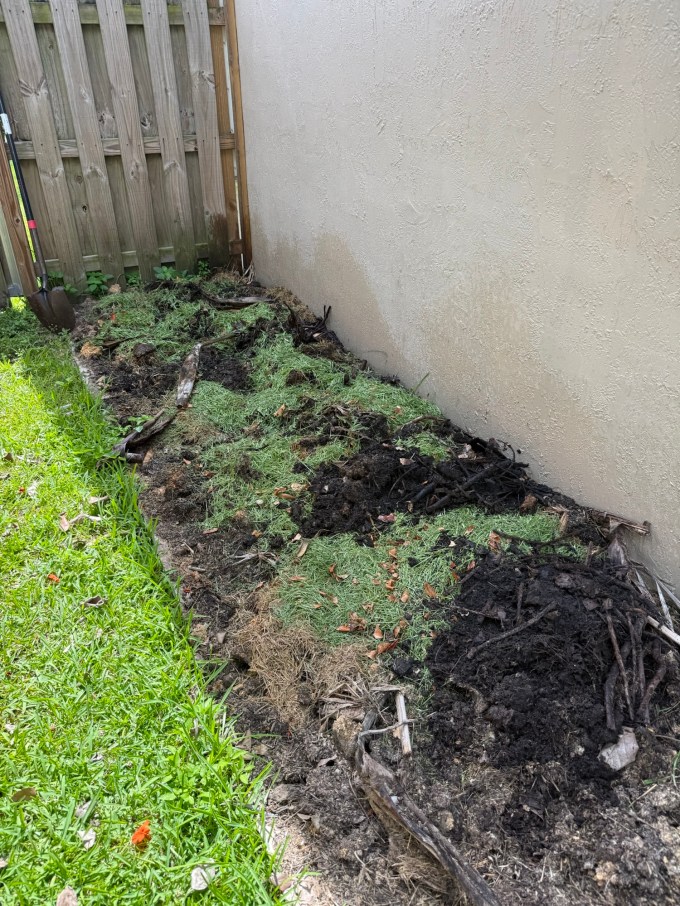
As I mentioned, I am currently composting to help prepare my garden this fall. I tried my hand at composting when I was about 10 years old and living in rural Western Pennsylvania, and I was so fascinated by it back then. Back then, we lived on several acres, so having an open compost pile was no issue since it could be really far from the house.
However, on less than a quarter of an acre, open piles with food waste aren’t really an option since there’s nowhere far enough from our house or our neighbors, and we don’t want to attract any pests so close to our living spaces. That’s why I’ve opted for DIY compost bins. I was in a pinch and balling on a budget, so I drilled holes in the sides of lidded Home Depot buckets to get started. I would like to get a fancy tumbler composter eventually, but I needed to make do with what I had accessible to me since I wanted to get started ASAP.
It wasn’t until I filled seven 5-gallon buckets in a matter of days that I realized how much food waste we produce. Of course, I balanced the food waste with browns (cardboard, twigs, dirt, etc.), but even by saving only some of my eligible kitchen scraps, my buckets filled in no time. In a perfect world. I’d have more space to compost, so we’d be able to make better use of these scraps, but for now, we’ll do what we can.
On the note of reducing waste, our city does not recycle. Composting gives us an easy way to reduce some of our cardboard waste, which would otherwise end up in the trash. From what little I’ve read, garbage disposal in Florida is particularly harmful to the environment because of our climate, so even a small reduction in cardboard waste feels important to me.
3. Maintaining a Circular Kitchen
I recently learned the term “circular kitchen,” and I was thrilled because it gave a name to a common practice in my life. If you’re not familiar, a circular kitchen extends the lifecycles of groceries. The idea is to reduce waste and get the most out of each item you purchase.
Here are some examples of maintaining a circular kitchen in action:
- Stale bread turns into bread crumbs, croutons, or cubes for stuffing.
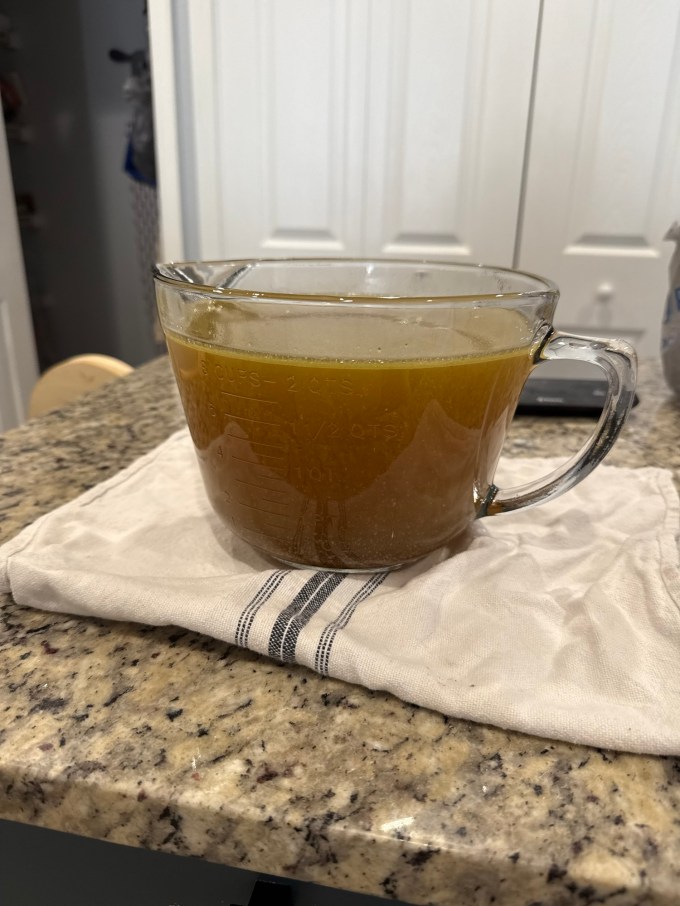
- After roasting for dinner, a chicken carcass turns into broth to make soup, stuffing, and other dishes.
- Sourdough discard turns into additional treats, plant fertilizer, and compost.
- Fruit peels turn into zest for treats, household cleaners, and plant fertilizers.
4. Leaning into Community
We live in a society where community is not a given, so creating a village takes effort. However, in an area where not many people have much land, finding others who share the urban homesteading dream will help support your homesteading efforts.
For example, my parents live on an acre about 10 minutes away from us. Their chickens regularly supply us with eggs. I am also using quite a few of their 5-gallon Home Depot buckets that they use to grow potatoes as compost bins until it’s time for them to plant their garden again. Most years, I start a lot of the crops for their garden from seeds in my house.
I’ve also traded baked goods and meals for childcare, which has been a valuable aspect of creating a village.
5. Thrifting and Upcycling
A huge part of sustainability and self-sufficiency in an urban setting is thrifting and upcycling items. Sometimes, that’s buying secondhand for something you need, and other times, it’s giving a new purpose to something you already have.
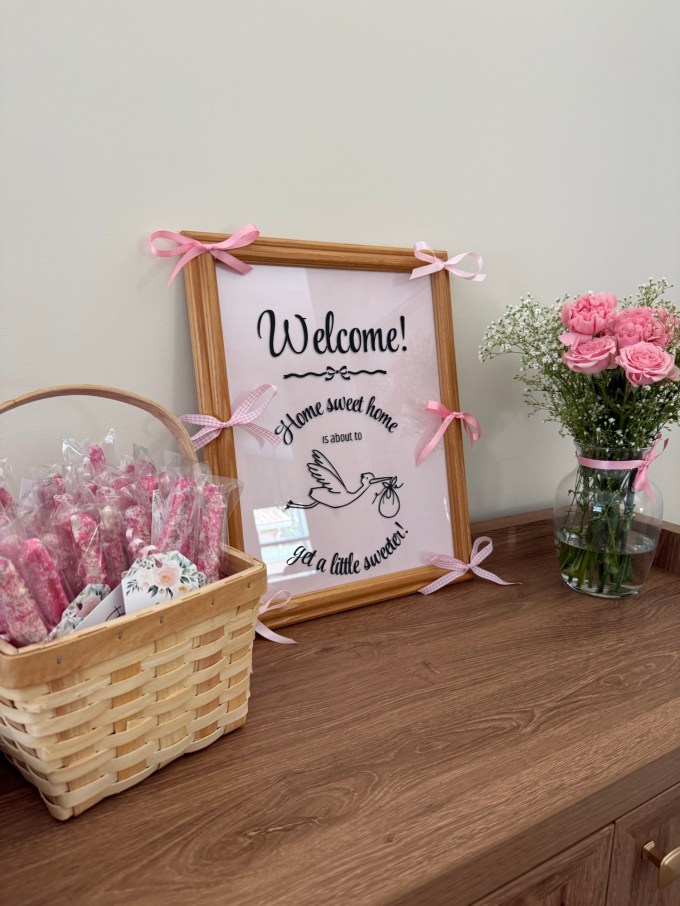
I am very into crafting and DIY projects, so something I’ve started to do is source materials from the thrift store. For example, I recently made a welcome sign at our baby shower from a thrifted picture frame and pillowcase.
One of my favorite upcycling projects, which has become a staple in my kitchen, is a set of cloth napkins I made from old curtains my grandma gave me. It’s not much, but it helps us cut back a little on napkins and paper towels. It also feels fancier than using paper products, even though the paper products are worn and stained from everyday use.
Don’t get me wrong. I buy tons of new stuff, too (probably quite a bit more than I’d like), but it feels good to give things a second life so they don’t end up in a landfill.
Let’s Be Urban Homesteaders Together
Even small moves toward self-sufficiency and sustainability can be empowering. Although it’s not everybody’s cup of tea, it can feel really good to take matters into your own hands sometimes.
What steps will you take to start your urban homesteading journey today?

